Hydraulic power packs
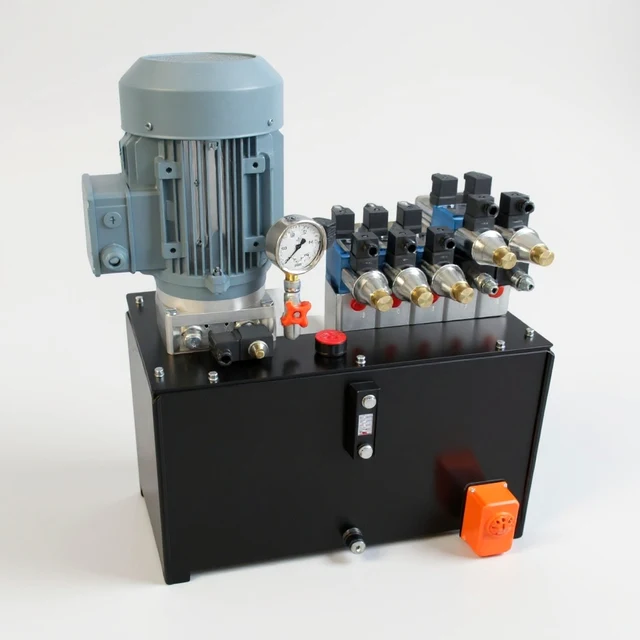
The right power pack comes from 6 choices: pressure, flow, motor, voltage, reservoir and valves. Here are the components — and the guides to combine them correctly.
Start from the right line

Group 1 AC line
For fixed industrial applications on mains power: continuous S1 or intermittent S3 duty.
Learn more →
Group 1 DC line
For mobile equipment and 12/24V battery applications: lifting, tippers, platforms.
Learn more →
Group 0.5 DC line
The compact 12/24V micro power pack: maximum power in minimum space.
Learn more →In doubt? The configurator points you to the line in 3 questions →
ComponentsAll components

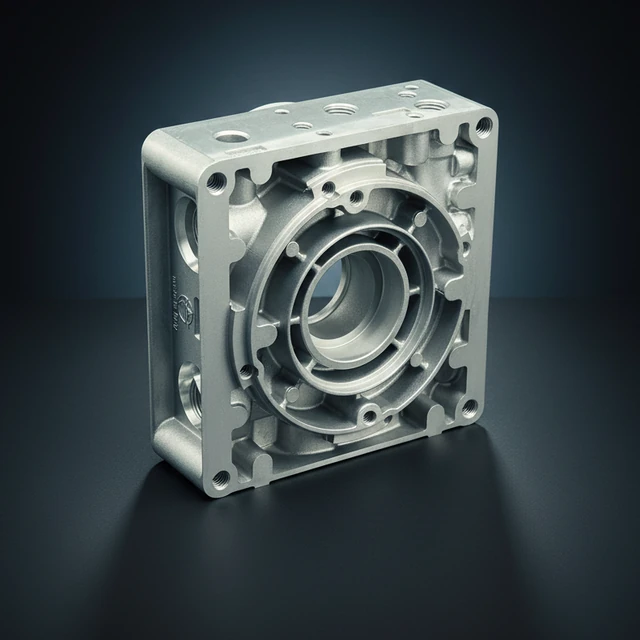
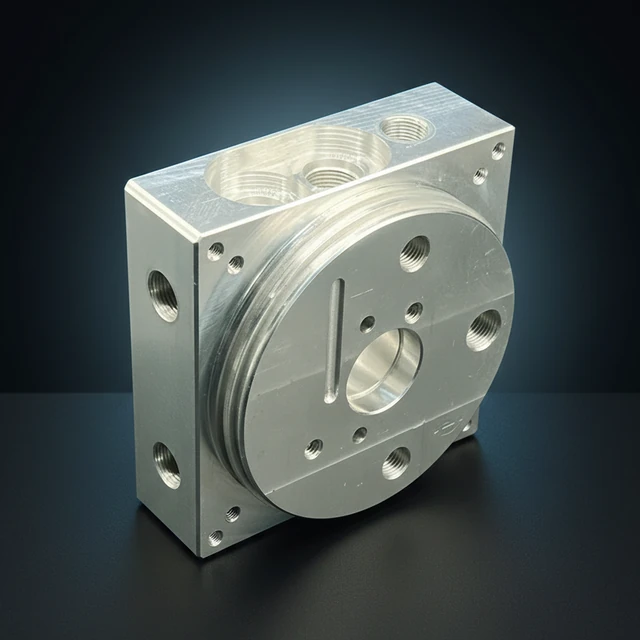
Manifolds
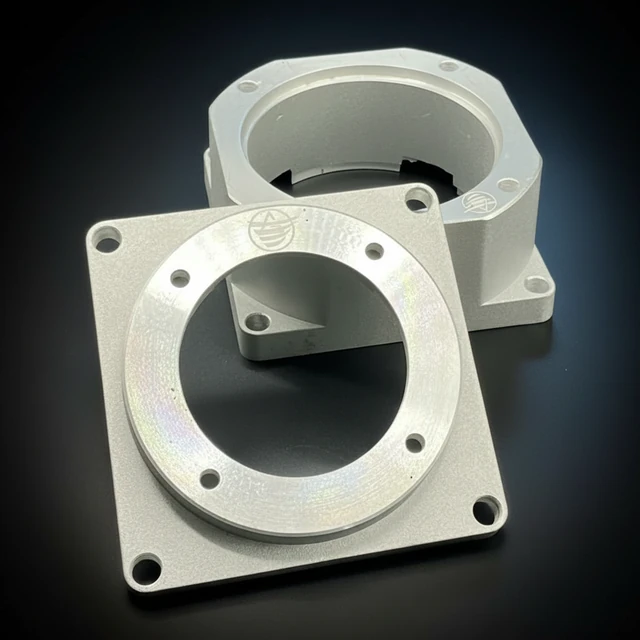
Aluminium and cast-iron manifolds for compact power packs, machined to drawing with configurable cavity count.
Learn more →
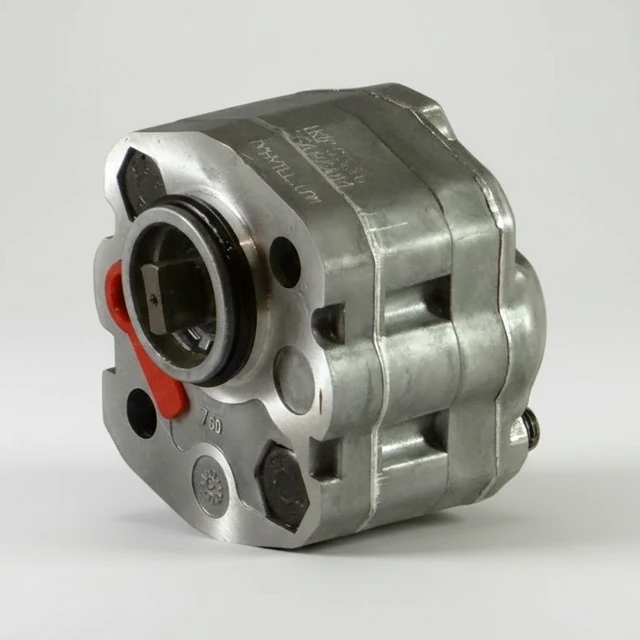
Hydraulic pumps
Gear pumps for compact power packs: a wide displacement range for every flow/pressure combination.
Learn more →
Suction & return
Suction and return kits matched to the reservoir: strainers, filters and fittings sized to pump flow.
Learn more →
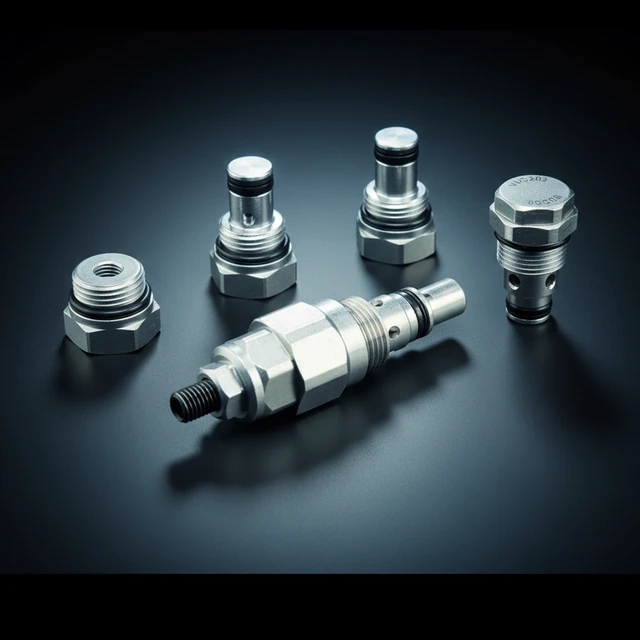
Valves & plugs
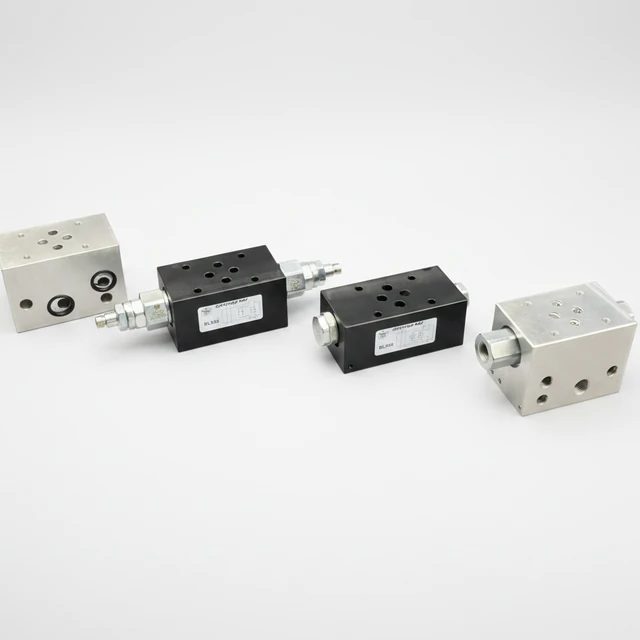
Relief, check and lowering valves plus plugs for complete power pack circuit control.
Learn more →
Connection elements
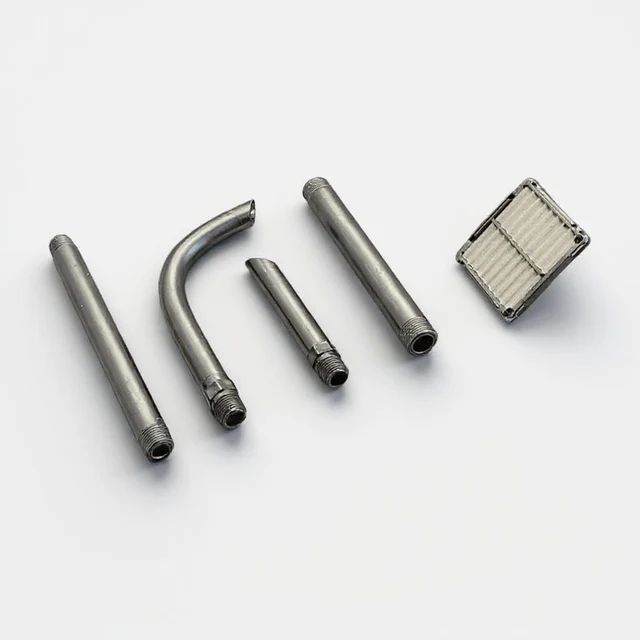
Nipples, extensions, flanges and fittings to integrate the power pack into the machine.
Learn more →
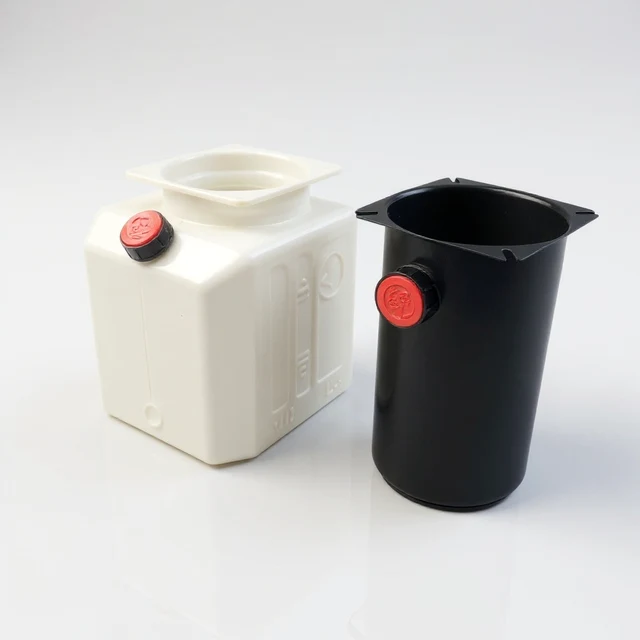
Reservoirs
Plastic and steel reservoirs, horizontal and vertical, from 0.7 to 50 litres, with dedicated plugs and accessories.
Learn more →
Electric motors
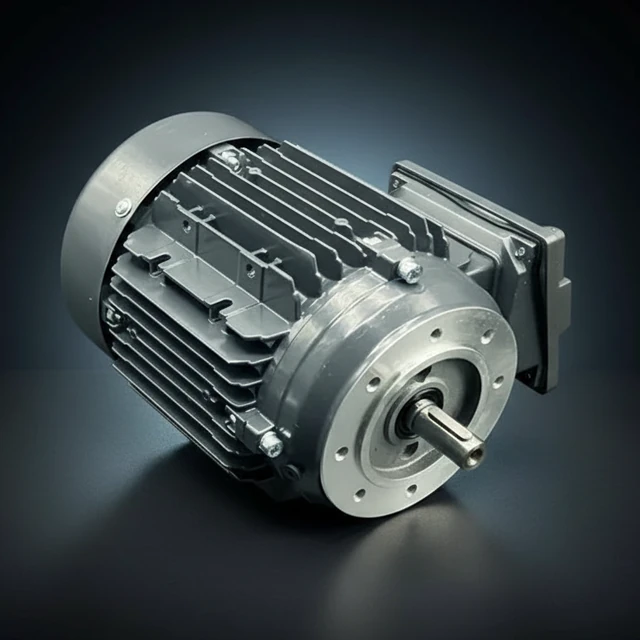
Single/three-phase AC and 12/24V DC motors coupled to the pump via dedicated kits, for continuous or intermittent duty.
Learn more →
Power pack accessories
Gauges, pressure switches, level indicators, heat exchangers and contactors: everything that completes the power pack.
Learn more →
Functional plugs
Filler, breather, drain and level plugs for reservoirs: small parts with a big impact on reliability and maintenance.
Learn more →
Modular elements & solenoids
NG6 solenoid valves, modular elements, coils and connectors to configure the power pack control logic.
Learn more →How a hydraulic power pack works
The principle is the same from a 0.25 kW micro unit to an industrial power unit: the motor spins the pump, the pump generates flow, the load generates pressure, and the valves decide where the oil goes and at what maximum pressure. The difference between any power pack and the right power pack is sizing: motor chosen on the real duty cycle (S1 continuous or S3 intermittent), pump on the operating speed, reservoir on cylinder volume, valves on the machine’s actual functions.
How much does a hydraulic power pack cost?
It depends on six factors: motor, pump, reservoir, valves, quantity and customisation. A standard compact configuration starts indicatively from a few hundred euros; custom multi-function configurations can exceed a thousand. Our dedicated guide explains transparently what moves the price — and what actually saves money. Read the price-factors guide →
Not sure where to start?
Read the selection guide or simply send us your application specs.
Have an application to power?
Send us your diagram or specs: we reply with a technical proposal sized for your application.