 Italiano
 English

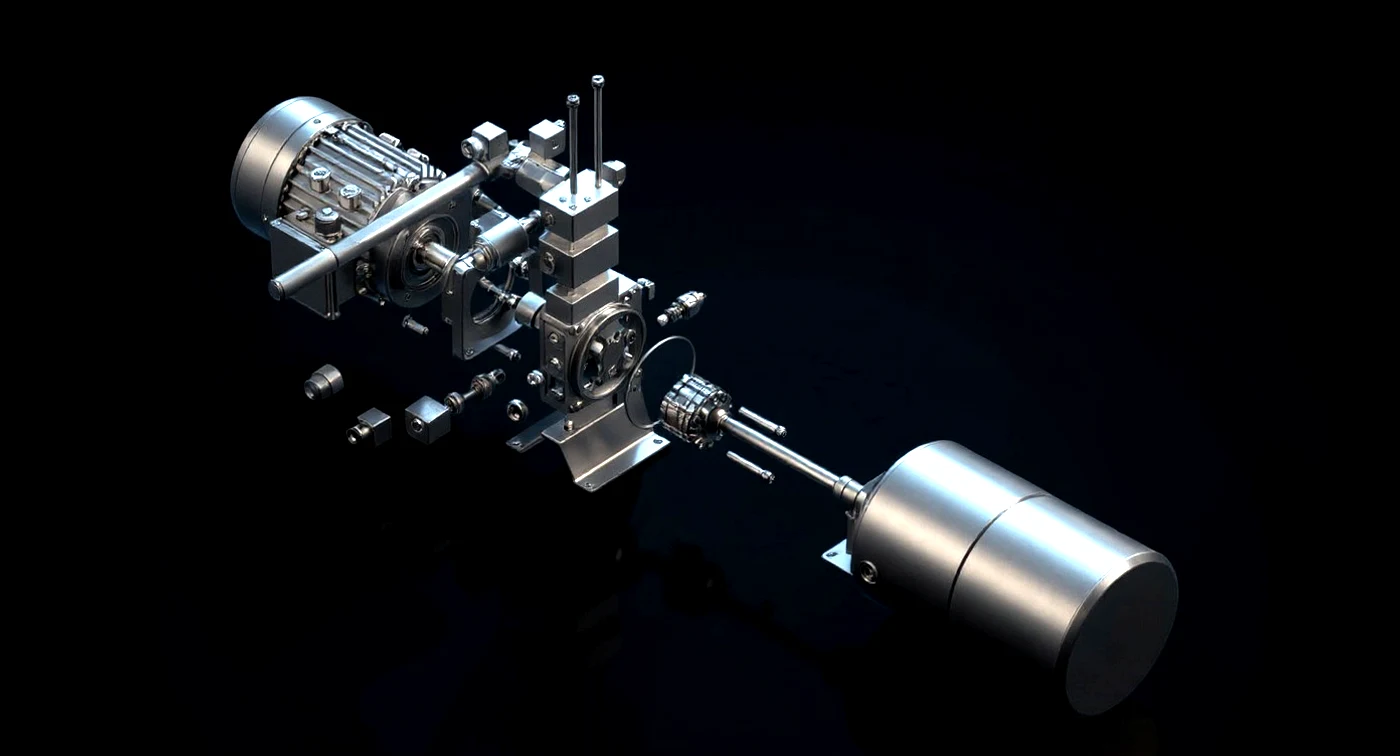
The 6 factors that move the price
1) The motor: frame size and type (a compact 12V DC costs less than a large three-phase; special voltages cost more). 2) The pump: displacement itself matters little, pressure class more. 3) The reservoir: litres and material (plastic vs steel). 4) The valves: every added function (double acting, controlled lowering, holding) is one more component on the manifold. 5) Quantity: a single prototype and a hundred-unit batch have very different unit costs. 6) Customisation: special ports, coatings, documented testing, markings.
Why nobody publishes a price list (and we publish this instead)
A custom power pack is a bill of 15-30 components chosen for your application: two configurations that look alike can differ by 40% over a different motor or three extra valves. A "from" price would be pure marketing. We prefer to tell you what the price depends on and give you a real quote quickly: it is free and without obligation.
What really saves money
Real savings come not from the cheapest component but from correct sizing: a motor matched to the real cycle avoids the next frame up; a correct reservoir avoids a heat exchanger; a well-thought valve logic avoids useless components. That is the advantage of buying from the manufacturer: 37 years of configurations and 8,500 power packs a year teach where to trim without risk. The configurator in /tools/ is the starting point.
How to get an accurate quote in 24-48 hours
To quote accurately we need a few inputs: required force or pressure, speed or operation time, duty cycle, available voltage, control functions and expected annual quantity. With these six (or even just a sketch of your application) we prepare BOM and offer. Send everything through the contact form, even as a draft: we handle the rest. [lead time to confirm]