 Italiano
 English

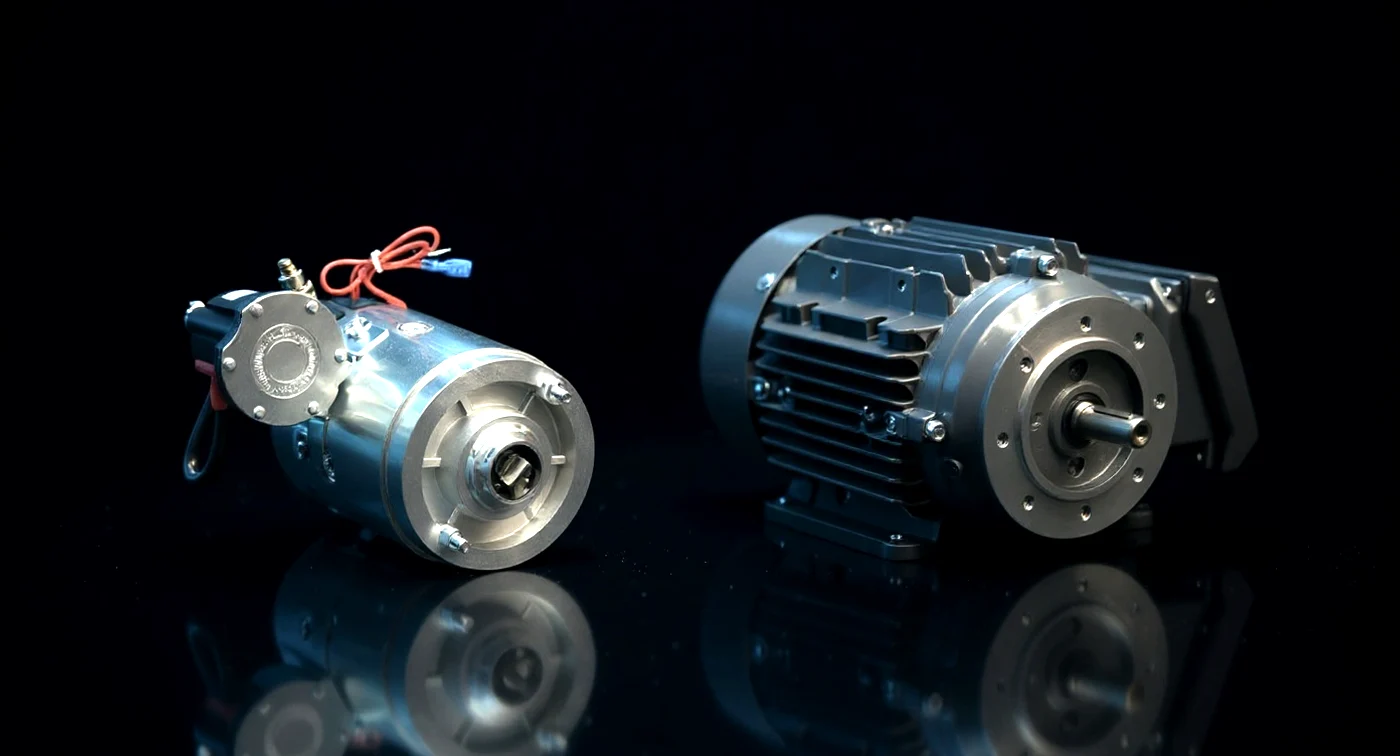
Two motors, two philosophies
The AC motor (single-phase 230V or three-phase 400V) is built to run long: S1 continuous duty, steady efficiency, little maintenance. The 12/24V DC motor is built for starts: plenty of torque instantly, but it heats up fast, which is why it works in S3 intermittent duty, with pauses to cool down. Using them outside their role is the most common cause of premature failure.
The duty cycle decides
A test bench holding pressure for hours is AC territory. A liftgate working 30 seconds every quarter hour is DC territory. In between are the cases to calculate: duty percentage within the cycle, single-operation duration, ambient temperature. Those are the three numbers we always ask for before proposing a motor.
The classic mistake: DC in continuous duty
The DC motor that "worked perfectly in testing" and burns out in the field was almost always running beyond its intermittence ratio: longer operations than planned, or shorter pauses. If the real cycle is borderline, there are two fixes: a bigger motor frame or a switch to AC with an inverter. Both cost less than a fleet standing still.