
Hydraulic power packs
The right power pack comes from 6 choices: pressure, flow, motor, voltage, reservoir and valves. Here are the components and the guides to combine them correctly.
Group 1 AC, Group 1 DC or Group 0.5 DC: comparison
| Group 1 AC | Group 1 DC | Group 0.5 DC | |
|---|---|---|---|
| Motor | AC 230V single-phase / 400V three-phase, 0.25 to 5.5 kW | DC 12V / 24V, 0.5 to 3 kW | DC 12V / 24V, 0.5 to 0.8 kW |
| Duty | S1 continuous / S3 | S3 intermittent | S3 intermittent |
| Flow | up to ~20 l/min | up to ~20 l/min | up to ~3 l/min |
| Pressure | up to 230 bar continuous, depending on displacement; peaks above 250 bar | up to 230 bar continuous, depending on displacement; peaks above 250 bar | 230 bar continuous |
| Reservoirs | 1.5 to 30 l, plastic / steel | 1.5 to 30 l, plastic / steel | 1.5 and 2.5 l, plastic |
| When to choose it | Fixed mains-powered machines, long cycles and pressure holding (S1). | Mobile equipment and 12/24V battery applications with intermittent operation (S3). | Very tight spaces and short movements at 12/24V, with flows up to about 3 l/min. |
If the application goes beyond a compact power pack, our guide Power pack or hydraulic power unit? explains when you need a larger unit.
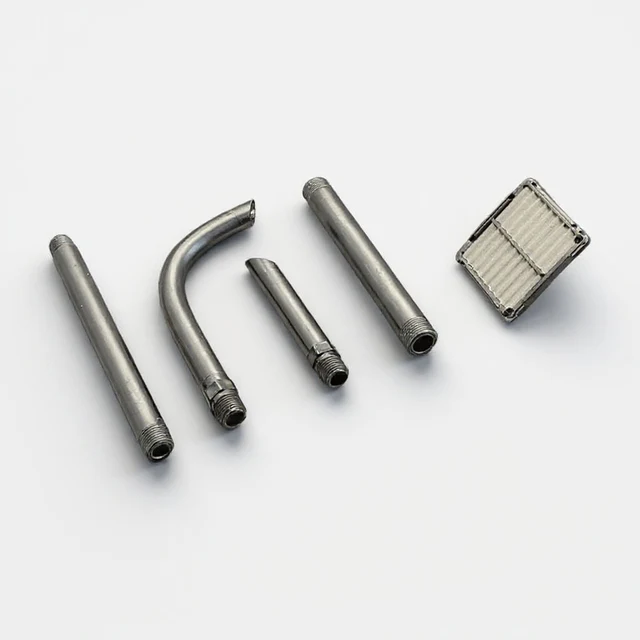
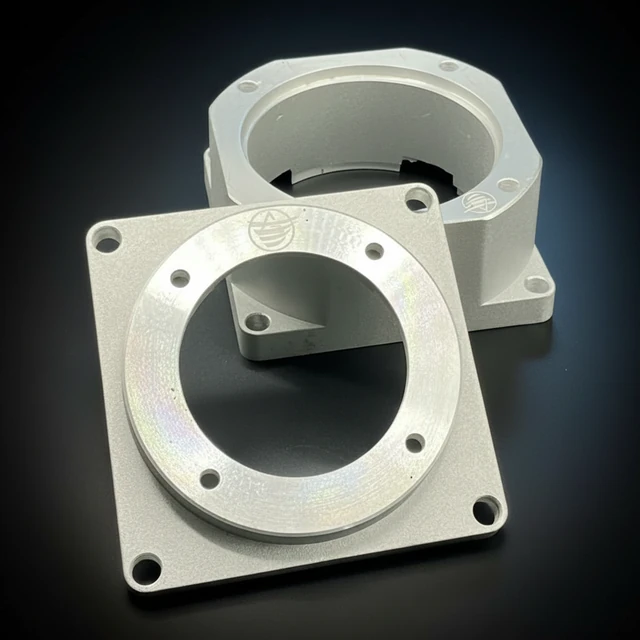
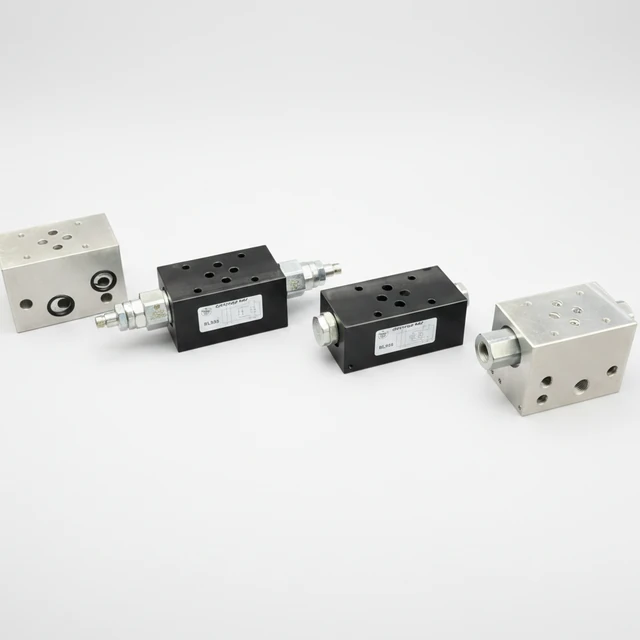
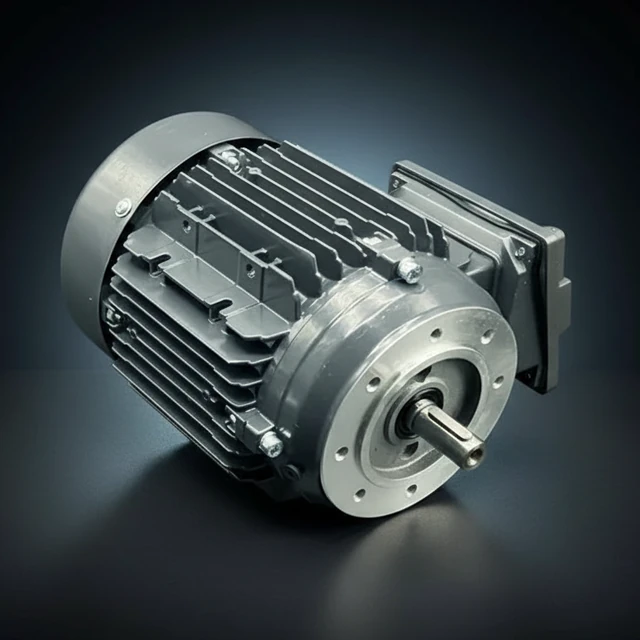
All components
The component families to configure your power pack. The three lines (Group 1 AC, Group 1 DC, Group 0.5 DC) are compared in the table above.
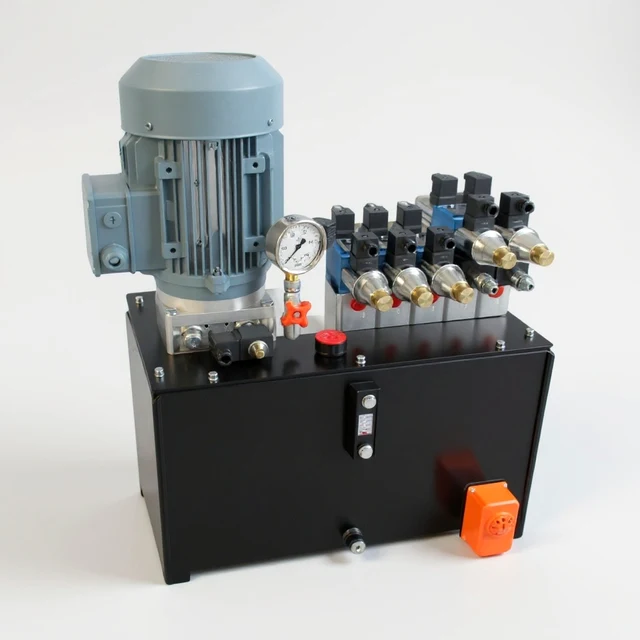
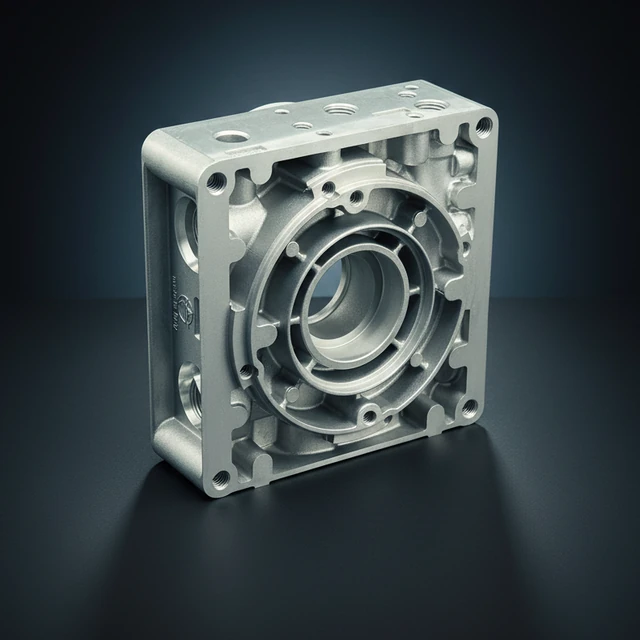
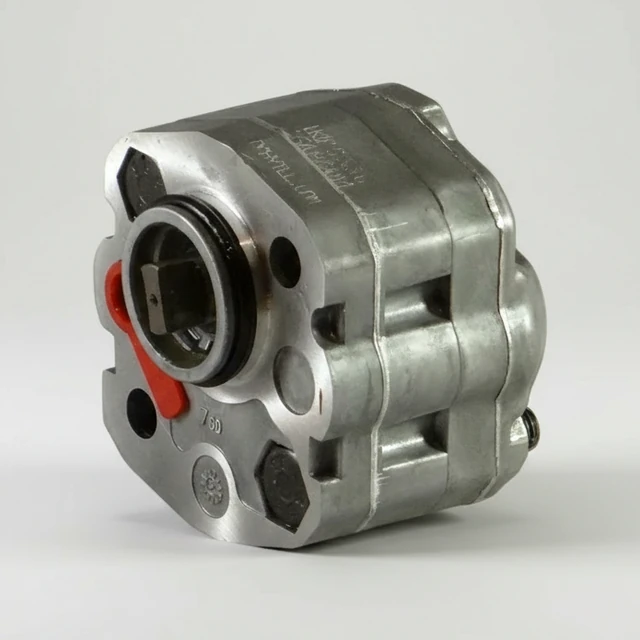
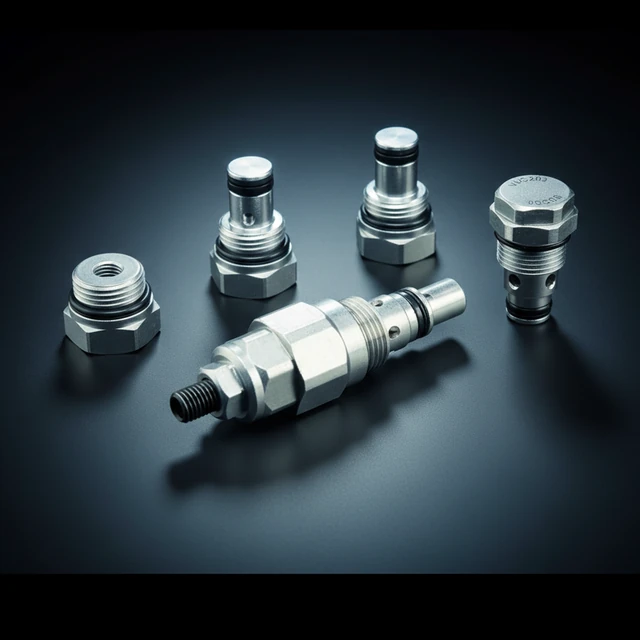
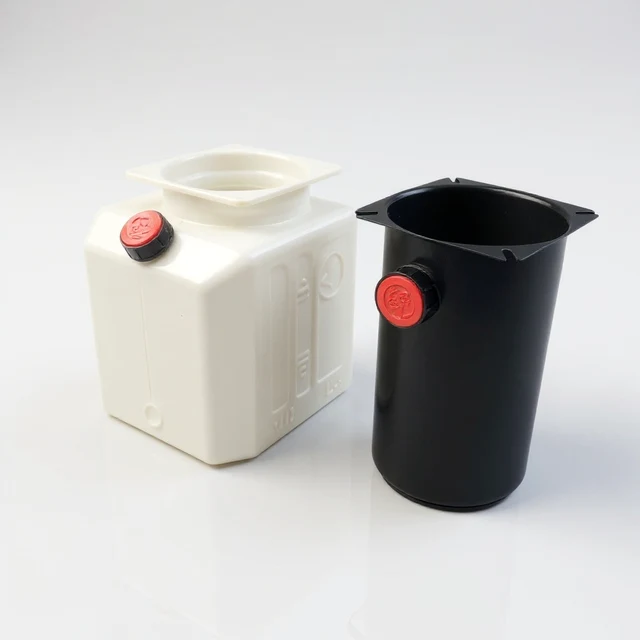
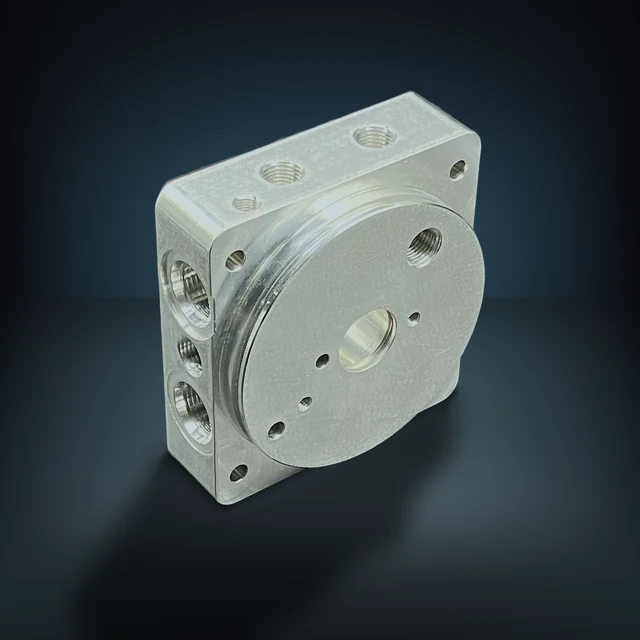
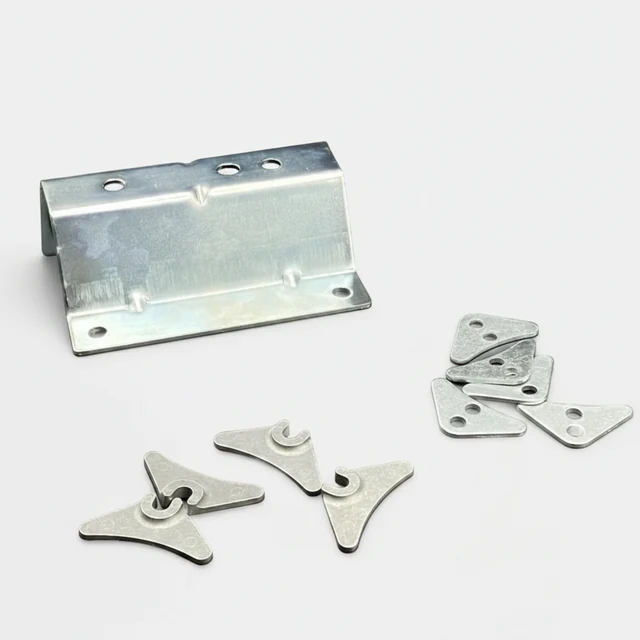
How a hydraulic power pack works
The principle is the same from a 0.25 kW micro unit to an industrial power unit: the motor spins the pump, the pump generates flow, the load generates pressure, and the valves decide where the oil goes and at what maximum pressure. The difference between any power pack and the right power pack is sizing: motor chosen for the actual duty cycle (S1 continuous or S3 intermittent), pump for the required actuator speed, reservoir for the cylinder volume, valves for the machine’s actual functions.
How much does a hydraulic power pack cost?
It depends on six factors: motor, pump, reservoir, valves, quantity and customisation. A standard compact configuration typically starts at a few hundred euros; custom multi-function configurations can exceed a thousand euros. Our dedicated guide explains transparently what moves the price and what actually saves money. Read the price-factors guide
Not sure where to start?
Read the selection guide or simply send us your application specs.
Have an application in mind?
Send us your diagram or specs: we reply with a technical proposal sized for your application.